Cornwall’s wild and windswept landscape is steeped in myth and mystery. Long before the rise of Christianity or the Romans, the region known as Dumnonia (covering modern-day Cornwall and Devon) was a stronghold of ancient rituals, spiritual beliefs and earth-based practices. While Roman influence barely scratched the surface west of Exeter, Cornwall still hides some of Britain’s most evocative pre-Christian sites – many linked to ancient rites, folklore and Paganism.
With the release of Pagans by James Alistair Henry (out now in hardback), it’s the perfect time to get out and explore these ten powerful places that still echo with ancient energy.
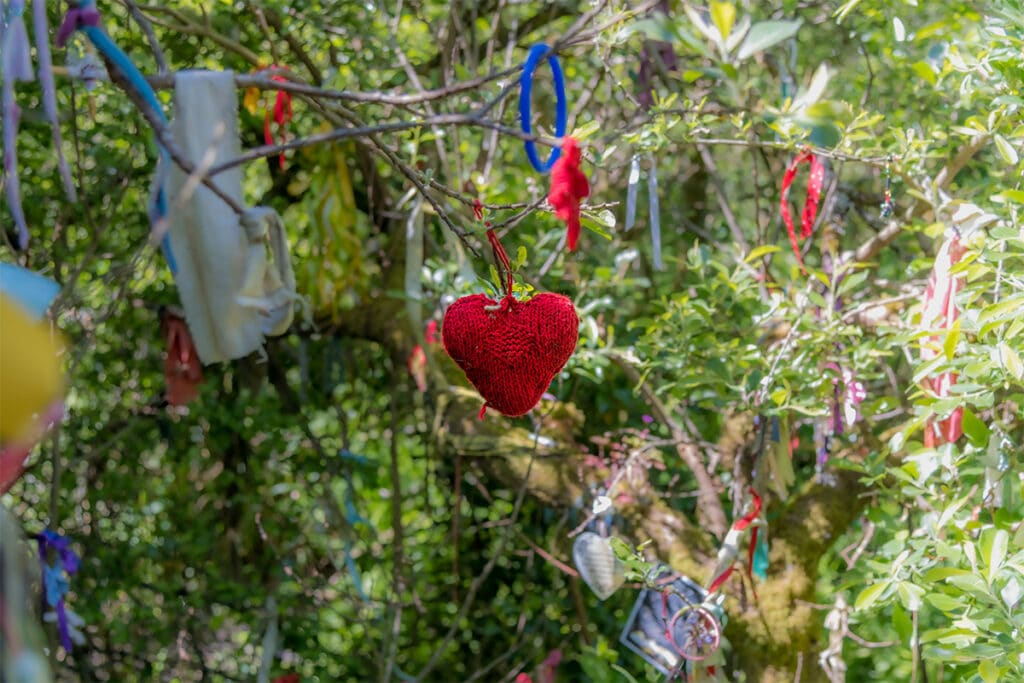
Tucked into a quiet glade, the ancient monument of Madron Well is a natural spring long believed to have healing properties. Many visitors leave strips of cloth, known as ‘clooties’, tied to the branches of a nearby tree, on which are written prayers or wishes. A nearby 12th-century chapel was destroyed long ago, but the sacred atmosphere remains.
The purpose of this eerie underground labyrinth that dates back to the Iron Age remains a mystery. ‘Fogou’ is the Cornish word for ‘cave’, usually applied to specially-built underground chambers that only exist on the British mainland west of the River Fal. It might have been used for ritual ceremonies, shelter during attacks, or simply food storage — basically a prehistoric walk-in fridge. You can visit it during daylight hours, any time outside 1October to 30 April (when it closes due to roosting bats). Take a fleece. And a torch.

This Bronze Age stone circle features a central standing stone surrounded by nineteen other stones (eighteen made of grey granite, one of quartz). Each etched with engravings that are only fully illuminated at the mid-summer solstice sunrise – which tells you everything about its likely use. The name of the site translates as ‘the pasture of the farmstead at the elderberry tree’.
Visit Boscawen-un Stone Circle
These 113 hectares of classified Ancient Woodland just outside Cornwall’s capital city of Truro, are where I spent endless hours as a child, vaguely aware it contained an Iron Age hill fort. Little seems to be known about it, and the ramparts and interior are now overgrown with oak and bracken, giving a haunted, forgotten vibe, but it’s perfect for a Sunday stroll or a cycle ride.
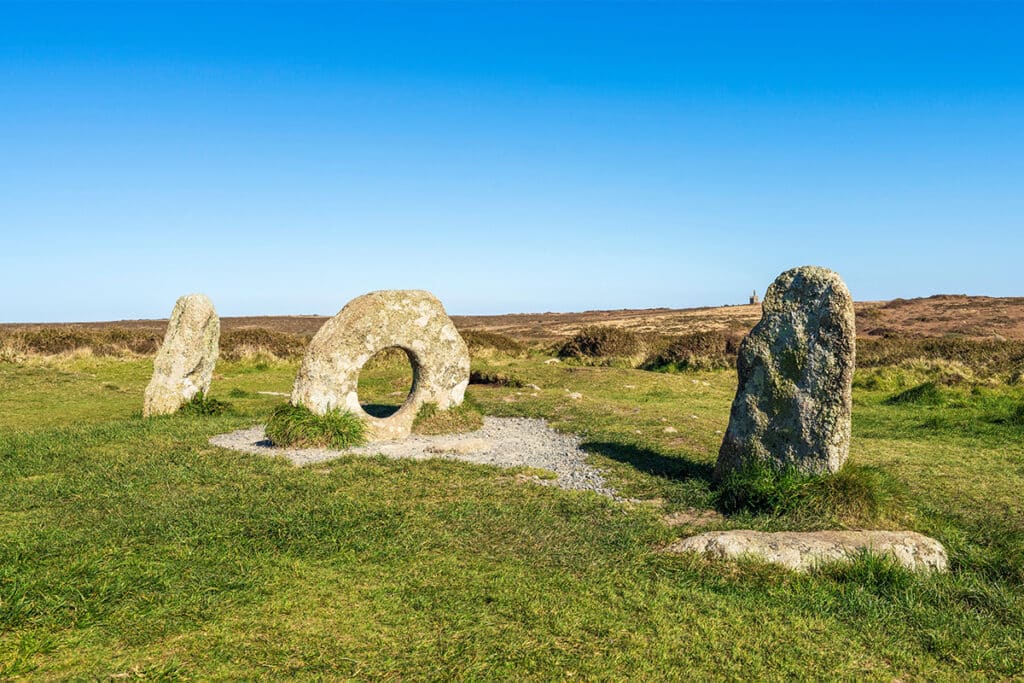
Known as the ‘Crick Stone’, this Bronze Age site features a large holed stone (think giant Polo mint) flanked by granite uprights. One theory is that it was once part of a burial chamber. Another – more fun – is that it was used in fertility rituals involving the ‘passing out of exhumed bones from the tomb’. We’ll leave that one with you.
Rugged, desolate, and dramatic – the remains of this Iron Age promontory fort cling to a narrow headland on the Penwith peninsula. Little more than crumbling ramparts now, but rich in atmosphere. Named for the fish-head shape of the promontory, it was once home to sixteen roundhouses. Stand here, braced against the wind, and picture the ancient community keeping watch over the wild Atlantic.

High on Truthwall Common, near the brooding Carn Kenidjack (rumoured to host mysterious lights and false paths), this is one of three lost stone circles. Five holed stones lie nearby, and the whole area was once filled with burial mounds. Time it right and catch the equinox sunrise – if you’re brave enough.
The ruins of a once-thriving Iron Age village – thought to be occupied for over a thousand years. The highlight? A 65-foot-long fogou, discovered by tin miners and restored by 19th-century antiquarian William Borlase. Bring a sense of adventure and maybe a headlamp.
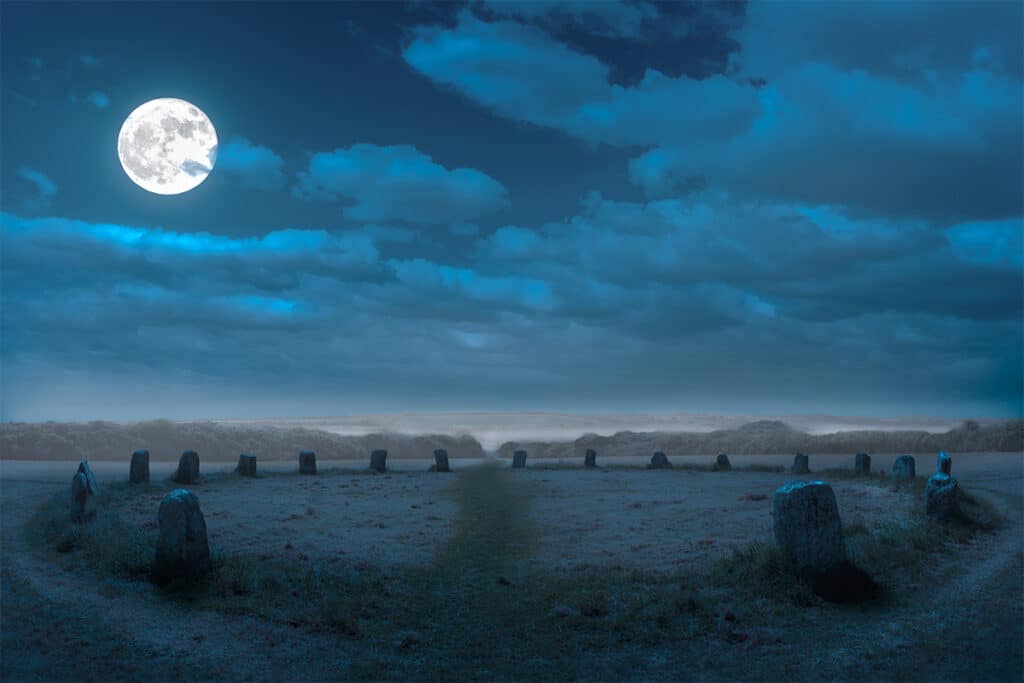
According to legend, this circle of nineteen granite stones were said to be young women turned to stone for dancing on a Sunday. However, that Christian folklore clashes with older names like Dons Maen – Cornish for ‘stone dance.’ Either way, it’s a lovely, accessible site with plenty of atmosphere and myth.
This exposed burial chamber may look simple, but its alignment with the rising winter solstice sun suggests a deeper mystery. It’s a rare Scillonian entrance grave – mostly found in the Isles of Scilly and far west Cornwall – and a reminder that even the smallest sites can hold celestial secrets.
James Alistair Henry’s debut novel Pagans is available from all good bookshops. A trip to any of these Pagan sites in Cornwall will no doubt inspire you to get your copy and dig deeper into the Pagan roots of this gripping story.